


Key Takeaways
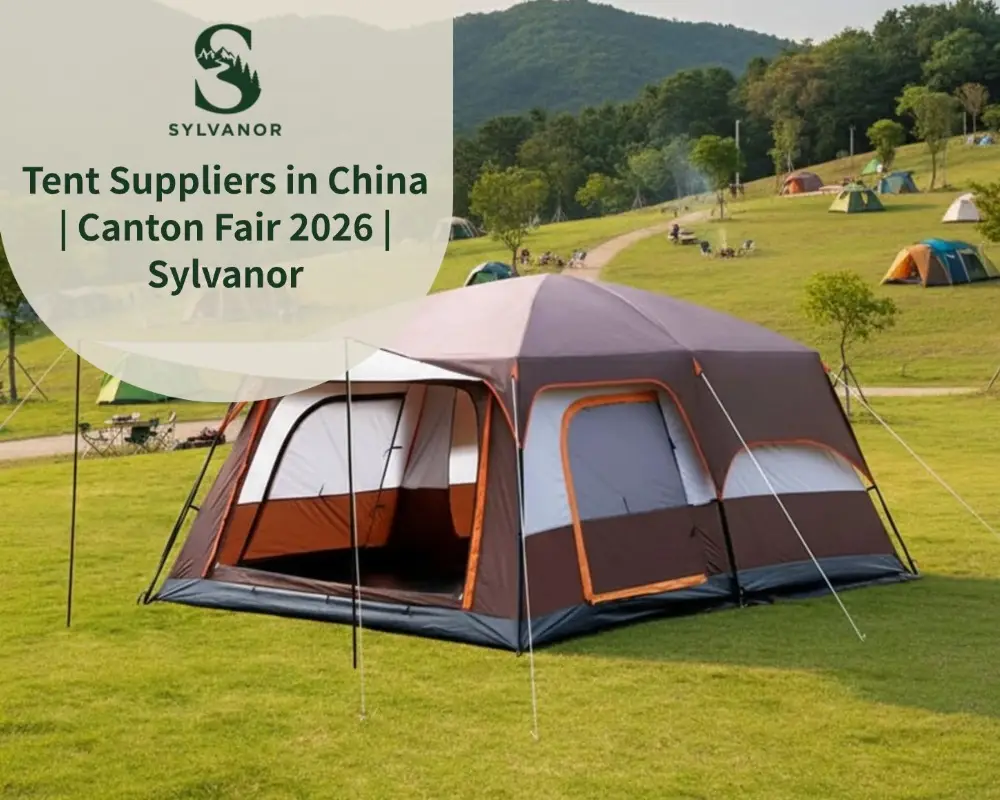
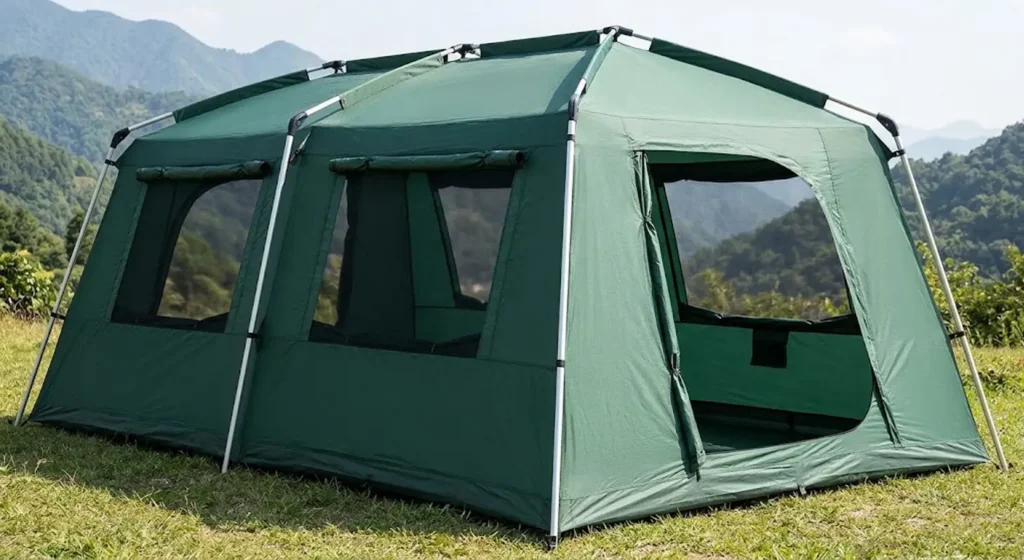
- Space and Commercial Value: The 10×20 ft (approx. 3×6 m) camping tent delivers an expansive 200 sq.ft (approx. 18.6 sq.m) shelter area, making it a primary choice for luxury glamping, outdoor sporting events, and large group camping.
- Structural Engineering: Selecting 6061-T6 aviation-grade aluminum alloy or high-strength airbeam structures reduces frame weight by 35% while boosting wind resistance up to Level 8 (62–74 km/h).
- Material Cost Optimization: Choosing between 210D Oxford and 600D Ripstop Polyester, paired with PU 3000mm–5000mm H2O coatings and OEKO-TEX Standard 100 certification, balances durability with bulk procurement budgets.
- Manufacturing Capability: Sylvanor’s Chinese manufacturing facility brings 25+ years of industry expertise, operating 50 advanced machines and employing 100 skilled workers, with over 1,000 custom designs successfully developed for OEM/ODM partners.
The rapid expansion of the global outdoor camping market is driving steady demand among commercial buyers for spacious, highly durable shelters. For B2B buyers, brand owners, and wholesalers seeking a reliable camping tent factory to source 10×20 models, evaluating frame rigidity, material costs, and custom production capacity is critical. As one of the best camping tent manufacturers, Sylvanor brings over 25 years of specialized experience to high-end outdoor product manufacturing. This guide explores structural choices, commercial applications, fabric cost configurations, and factory quality standards to help you source custom camping tent models for your brand portfolio.
10×20 Camping Tent Specifications and Structural Selection
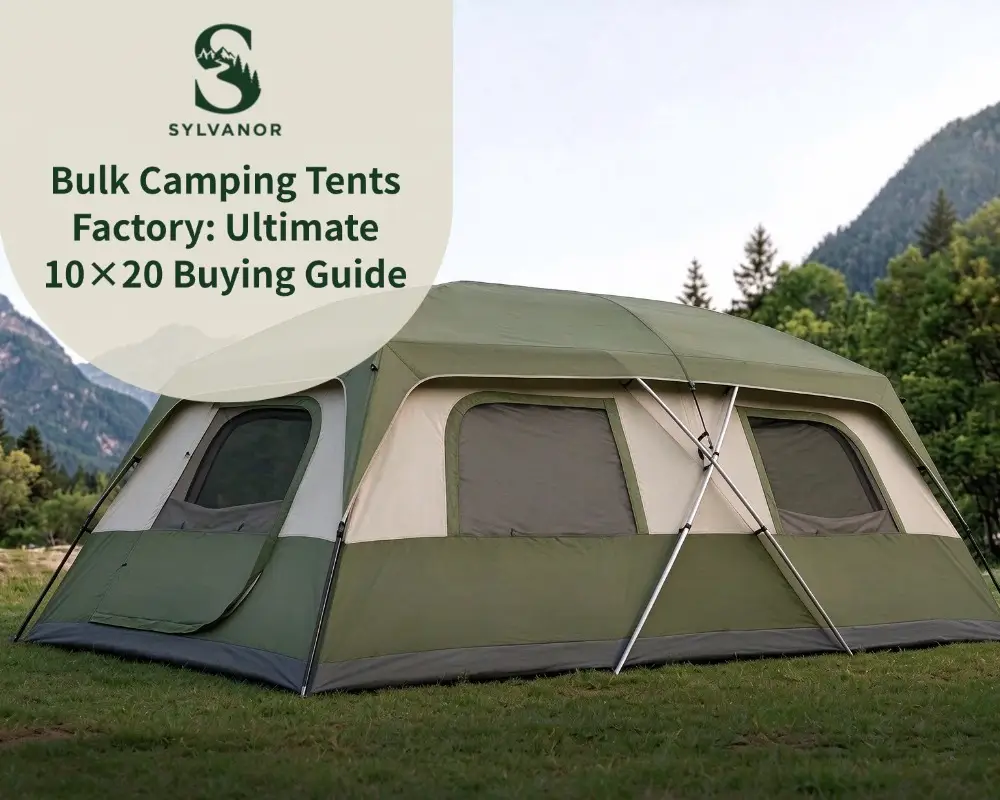
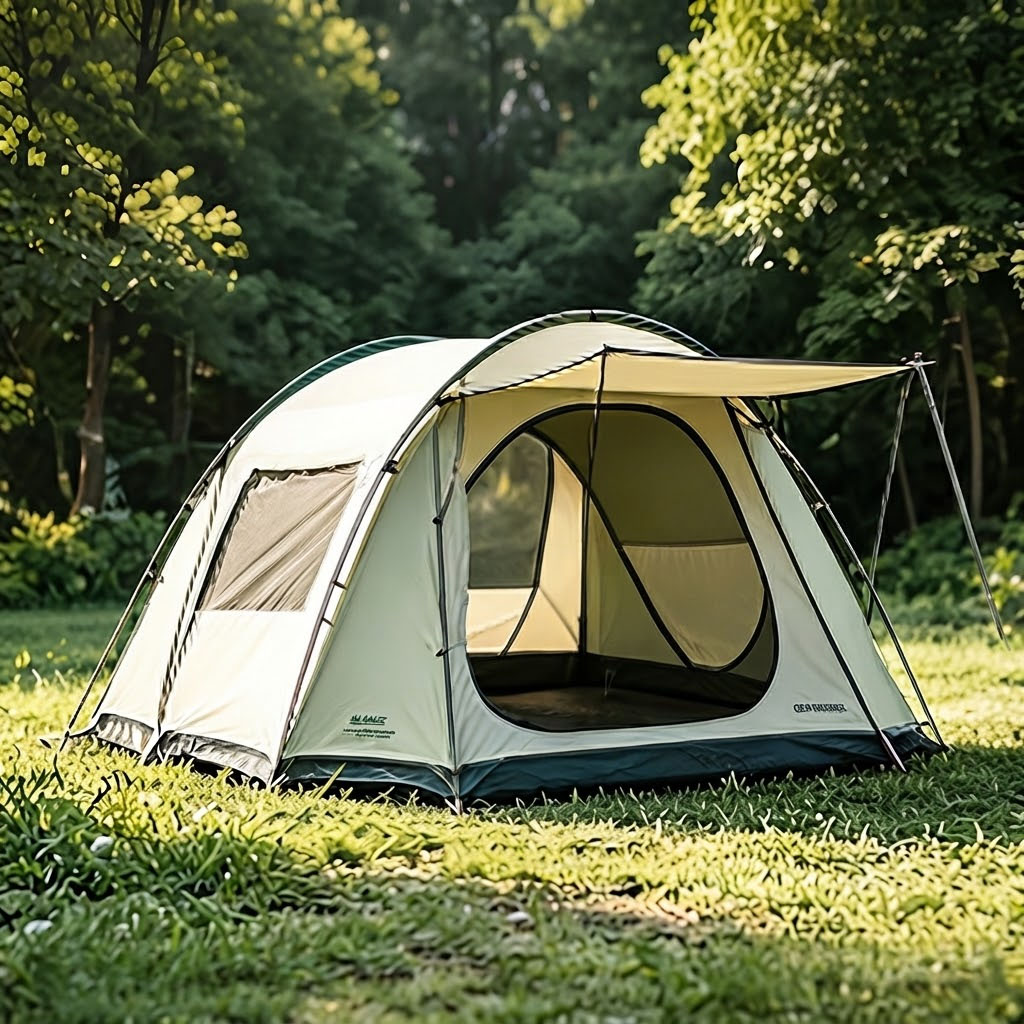
A 10×20 ft (approx. 3×6 m) tent provides 200 sq.ft (18.6 sq.m) of usable interior space. The choice of frame structure directly dictates stability and assembly efficiency under severe weather conditions.
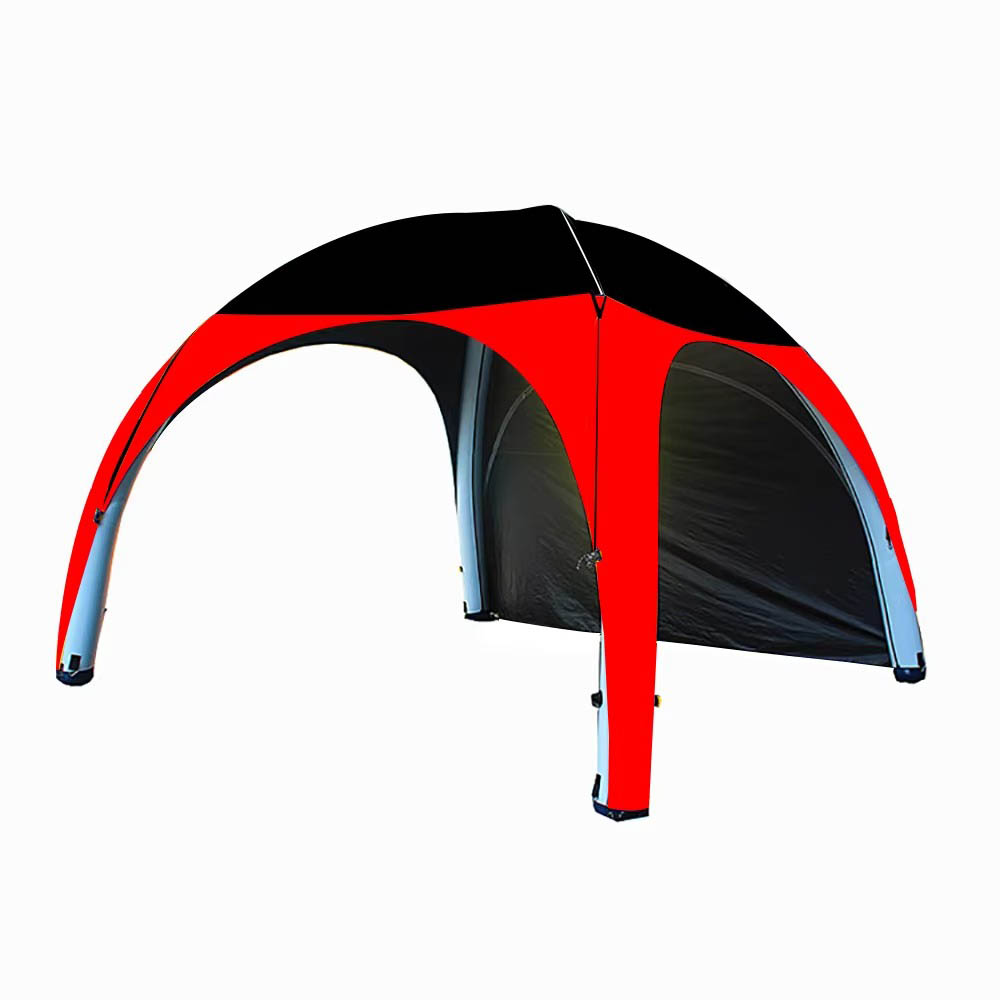
When evaluating bulk camping tents, frame designs fall into two main categories: rigid metal frame systems (aluminum alloy / galvanized steel) and inflatable airbeam systems (TPU / PVC airbeams).
For material selection, 6061-T6 aviation-grade aluminum alloy has become the preferred standard for heavy-duty tents. According to ISO 898 mechanical property testing standards, 6061-T6 aluminum alloy decreases structural weight by 35% compared to traditional galvanized steel while delivering higher tensile strength to withstand Level 8 gale-force winds (62–74 km/h). Additionally, for rapid deployment needs, quick-setup inflatable structures using high-molecular TPU airbeams cut setup time by more than 60%.
| Structure Type | Core Material Specification | Ideal Application & Advantage |
| Aluminum Alloy Folding / Interlocking Frame | 6061-T6 Aluminum / 1.5-2.0mm Wall Thickness | Exceptional stability; withstands Level 8 winds; ideal for semi-permanent campsites and rentals |
| Inflatable Airbeam Structure | High-Strength TPU / 1000D PVC Outer Sleeves | Ultra-fast setup (cuts time by 60%); perfect for mobile camping and quick deployment |
| Segmented Steel Frame | Rust-Resistant Galvanized Steel | Cost-effective; well-suited for budget-driven bulk orders |
When determining structural specifications, procurement managers must weigh setup ease against freight volume. Segmented, collapsible frames significantly decrease pack sizes, allowing higher container loading density.
💡 Frequently Asked Questions
Q: What are the key frame specifications for a 10×20 camping tent?
A: A standard 10×20 tent covers 200 sq.ft and uses a 6061-T6 aluminum frame (1.5-2.0mm wall thickness) for Level 8 wind resistance or a TPU airbeam system for rapid inflation, reducing structure weight by 35%.
Diverse Commercial Applications for 10×20 Camping Tents
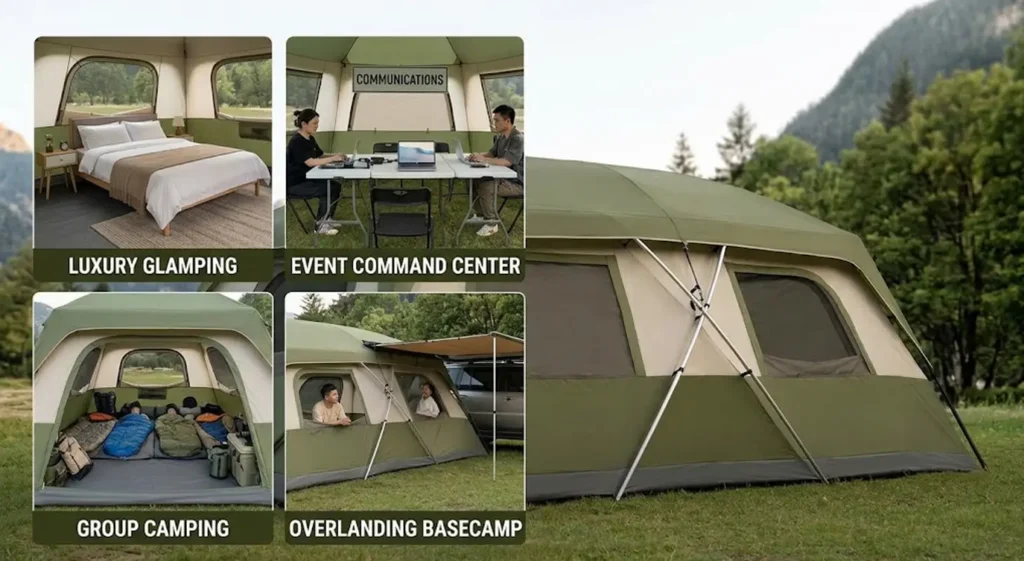
Large-scale 10×20 tents offer versatile interior layouts for commercial camp operations and outdoor event hosting.
Industry market reports from the Outdoor Industry Association (OIA) indicate that global demand for multi-room, large-capacity tents is growing at an annual rate of 14.2%. Commercial buyers can target several distinct market segments:
- Glamping Resorts: A 10×20 tent easily divides into a bedroom-and-living room suite or a dual-bedroom layout, housing double beds, lounge chairs, and furniture to drive higher booking premiums.
- Large Family and Group Camping: Comfortably accommodates 8–12 occupants or serves as a central communal shelter and equipment storage hub during team expeditions.
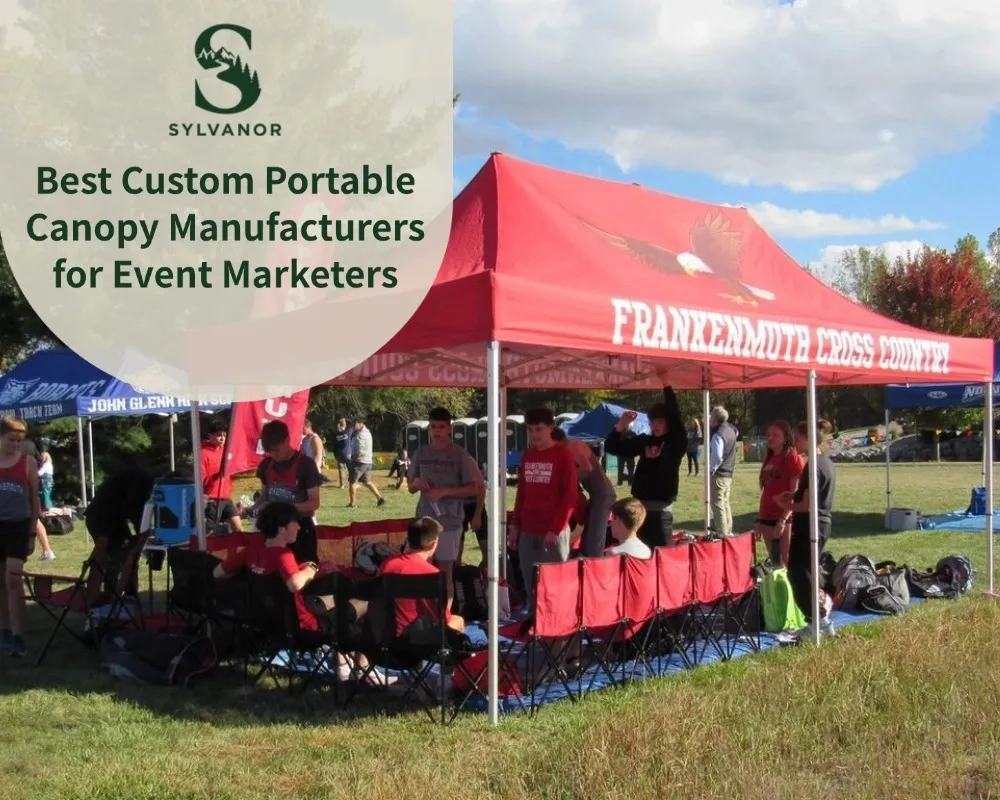
- Outdoor Events and Emergency Command: Heavy-duty 10×20 structures serve as medical stations, aid stations, and operational posts for trail runs, marathons, and outdoor festivals.
- Overlanding and Vehicle Integration: Paired with vehicle awnings or tailgate connectors, these tents create basecamps that shield overlanding enthusiasts from sun and rain.
To support these diverse applications, Sylvanor incorporates modular features during engineering, including detachable inner dividers, high-density mesh windows, and dedicated stove/air conditioning ports.
💡 Frequently Asked Questions
Q: What applications suit a 10×20 camping tent best?
A: 10×20 tents excel in Glamping resorts for luxury suites, group camping for 8–12 people, event command centers, and overlanding basecamps requiring modular space.
Material and Fabric Cost Selection for Custom 10×20 Tents
When customizing orders at a camping tent factory, matching fabrics, coatings, and hardware to your target market ensures optimal profit margins without compromising performance.
Fabrics vary in abrasion resistance, hydrostatic head, and UV protection, making precise specification critical:
1. Fabric Density and Denier Selection
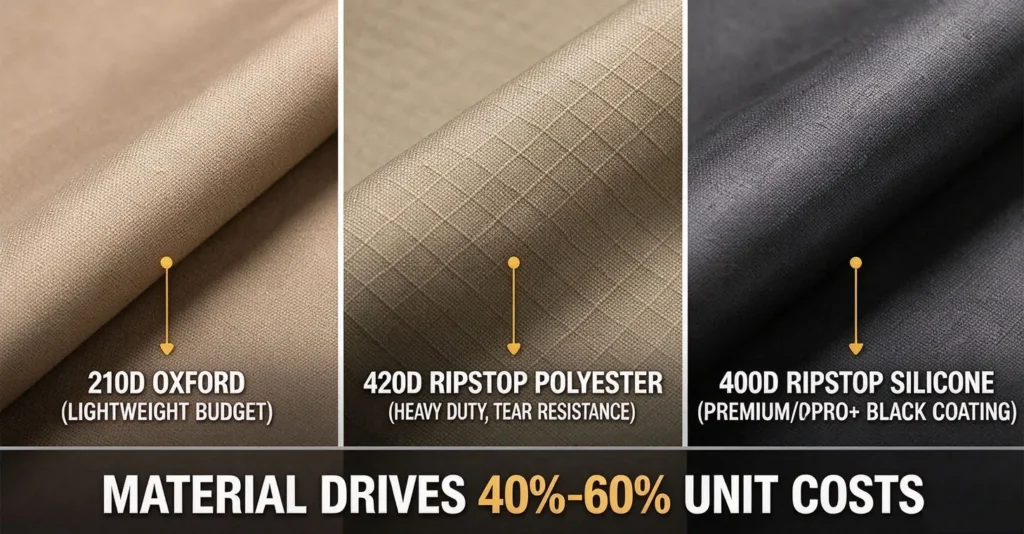
- 210D Oxford / Polyester: Lightweight and cost-effective, ideal for promotional or budget-friendly portable lines.
- 420D / 600D Ripstop Polyester: Engineered with grid-reinforced weaving. According to ASTM D3786 burst strength testing, 420D Ripstop fabric provides 180% higher tear resistance than standard 210D polyester, making it ideal for commercial rentals and long-term setups.
2. Functional Coatings
- PU (Polyurethane) Coating: Delivers 3000mm–5000mm H2O hydrostatic resistance. Heat-sealed seam taping along all stitch lines prevents water penetration during heavy rain.
- Silicone Coating: Applied to premium fabrics to boost tear strength while keeping total canopy weight low.
- Silver / Black UV Coating: Blocks over 99% of UV radiation to meet UPF50+ sun protection standards, lowering internal temperatures by 3–5°C.
| Fabric & Coating Combination | Hydrostatic / UV Specification | Relative Cost Scale | Recommended Market Position |
| 210D PU2000mm | 2000mm / UPF30+ | Economy (Baseline Cost) | Budget-conscious lines / portable entry款 |
| 420D Ripstop PU | 3000mm / UPF50+ Silver | Mid-Range (+30% – 40%) | Professional outdoor / rental fleet core product |
| 600D Ripstop Silicone | 5000mm / UPF50+ Black | Premium (+60% – 80%) | Luxury glamping resorts / four-season extreme weather |
Optimizing packaging design through segmented frame collapse and compression carry bags reduces packed volume by 25%. This allows a 40ft HQ container to hold up to 30% more units, lowering per-unit ocean freight costs.
💡 Frequently Asked Questions
Q: How do material choices impact 10×20 tent costs?
A: Materials drive 40%–60% of unit costs. 210D Polyester suits budget lines, while 420D/600D Ripstop with PU 3000–5000mm increases fabric durability by 180% at a 30%–60% higher fabric cost.
Ultimate 10×20 Camping Tent Bulk Procurement Guide
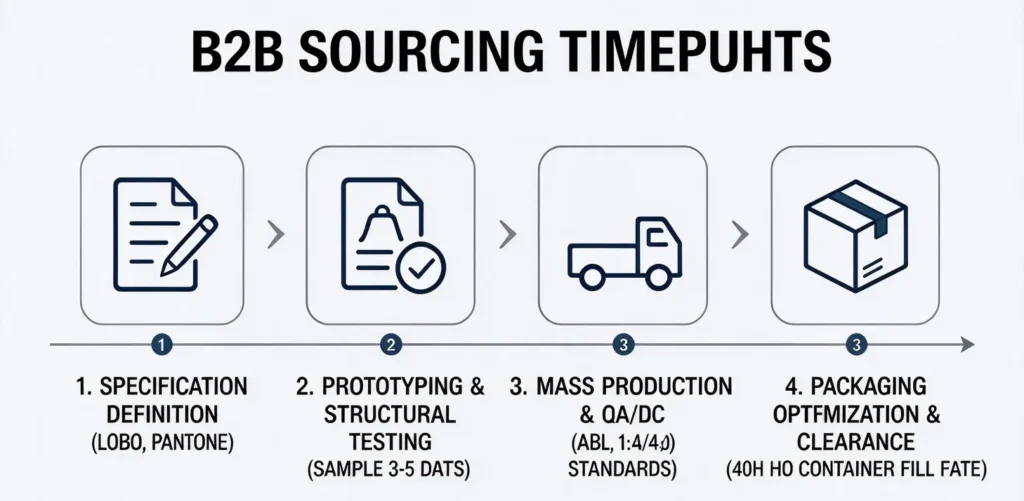
To mitigate quality and logistical risks when placing large orders for bulk camping tents, B2B buyers should follow a structured four-stage sourcing framework:
- Specification Definition: Clarify use cases (luxury glamping vs. quick-setup camping) and functional compliance (such as CPAI-84 flame retardancy or UPF50+ rating), while defining logo printing techniques and Pantone color codes.
- Prototyping and Structural Testing: Require the factory to deliver sample prototypes within 3–5 days. Test span tension, seam-tape adhesion, sag prevention, and frame hinge mechanism endurance.
- Mass Production and QA/QC Supervision: Ensure the factory adheres to AQL 1.5/4.0 inspection standards during production, verifying colorfastness, zipper cycle life, and airbeam seal integrity.
- Packaging Volume Optimization and Clearance: Design segmented retail and transport boxes to maximize 40ft HQ container fill rates, reducing unit shipping costs while ensuring all export documentation is prepared in advance.
Sylvanor Camping Tent Product Performance
With over 25 years of manufacturing experience, Sylvanor’s production center operates under a strict “Quality First, Customer Foremost” philosophy, specializing in high-grade outdoor gear manufacturing.
Our facility houses 50 advanced machines and employs 100 skilled workers. Having developed more than 1,000 custom designs, Sylvanor manufactures custom units for leading global outdoor brands.
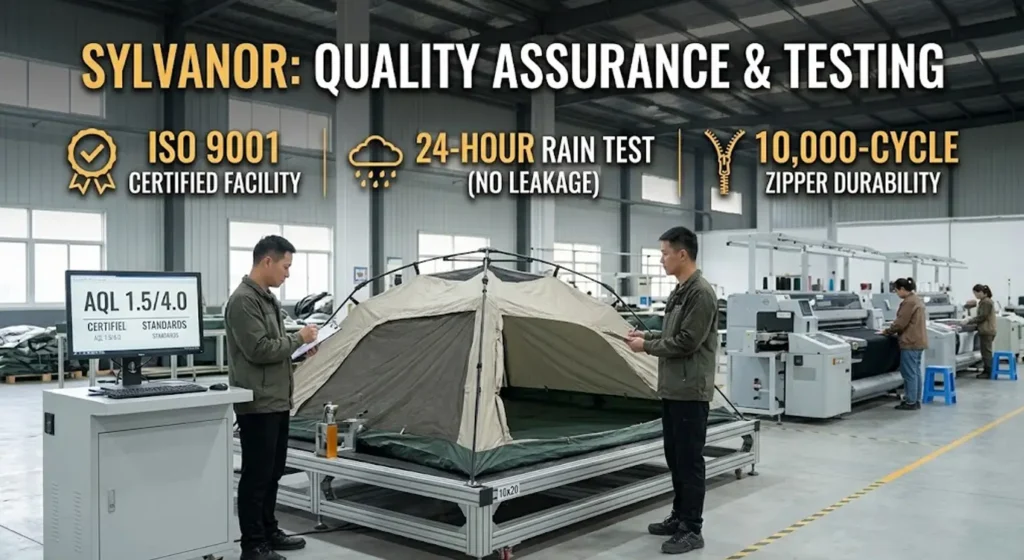
Sylvanor enforces ISO 9001 quality management controls and AQL 1.5/4.0 inspection standards across every batch of custom camping tent orders:
- 100% Waterproof Verification: Every finished tent undergoes a 24-hour continuous high-pressure rain test on a test setup to ensure zero leakage along taped seams.
- Zipper and Hardware Endurance: Heavy-duty explosion-proof zippers pass 10,000-cycle opening/closing tests to ensure smooth operation in sandy or freezing environments.
- Flexible Customization: Comprehensive support for custom logo placement (silkscreen, rubber badges), brand color matching, layout modifications (doors, windows, stove jacks), fire-retardant (CPAI-84) or eco-friendly (OEKO-TEX Standard 100) fabrics, and tailored retail packaging.
Sylvanor’s camping tent line includes family camping tents, glamping tents, pop-up tents, inflatable tents, backpacking tents, sunshade beach tents, rooftop tents, ice fishing tents, and event tents. We deliver full-service OEM/ODM manufacturing to build and scale your outdoor brand.
💡 Frequently Asked Questions
Q: How does Sylvanor test 10×20 tents for wind and rain?
A: Sylvanor uses ISO 9001 and AQL 1.5/4.0 standards, executing 24-hour continuous rain tests (up to 5000mm H2O) and 10,000-cycle zipper tests to ensure Level 8 wind resistance.